How to Paint Like a Pro: Tips for Professional Results
Preparation Is Everything
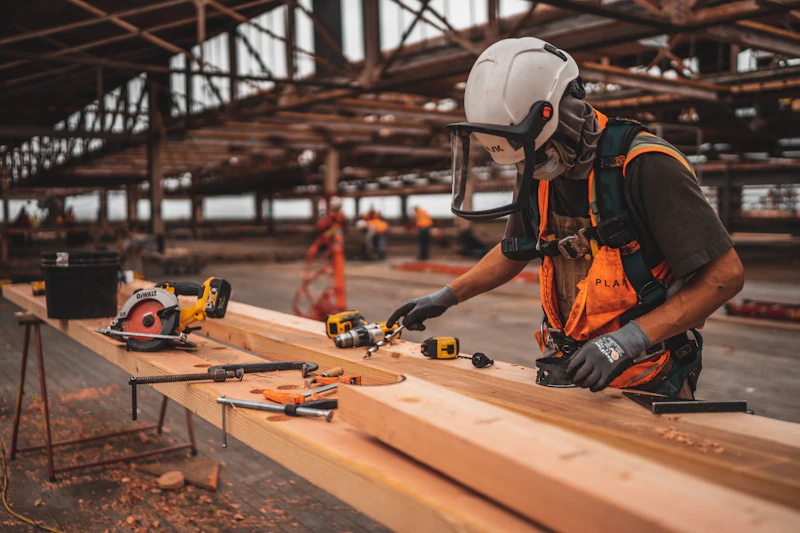
Professional painters spend 70-80% of their time on preparation and 20-30% on actual painting. DIYers typically invert this ratio, and the results show it. Proper preparation is the single biggest factor in achieving a paint job that looks good and lasts. Skipping prep steps to save time always costs more in the long run because the paint fails prematurely.
Start by clearing the room or area. Remove furniture or move it to the center and cover with plastic. Remove switch plates, outlet covers, doorknobs, and hinges. Patch all nail holes, dents, and cracks with spackle or joint compound. Sand smooth once dry. Clean all surfaces with a damp cloth or TSP solution to remove dust, grease, and fingerprints. Any contaminant left on the surface will show through the paint. Use our Paint Calculator to estimate how much paint you need.
Choosing the Right Paint and Tools
Buy quality paint. The difference between a $15/gallon paint and a $40/gallon paint is visible in coverage, hide, durability, and finish quality. For walls, eggshell or satin finish is the most practical choice because it cleans easily without being as shiny as semi-gloss. For ceilings, flat or matte finish hides imperfections. For trim, semi-gloss provides durability and easy cleaning.
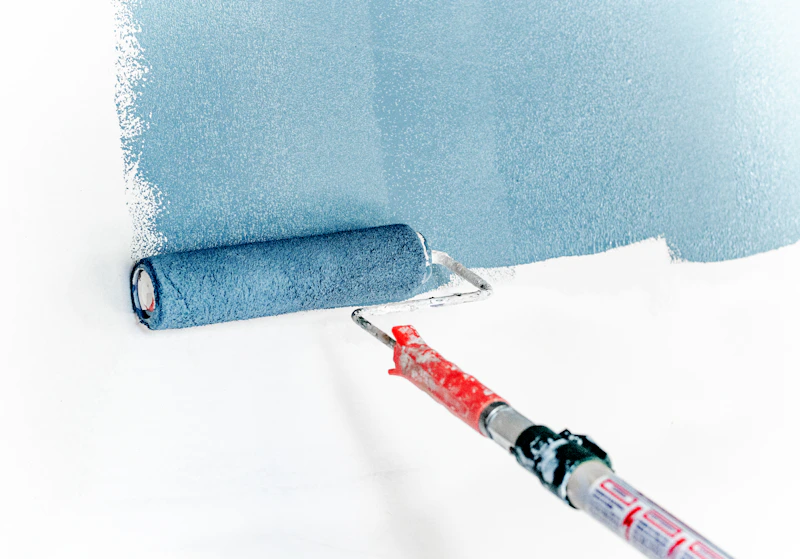
Invest in quality brushes and rollers. A cheap brush leaves brush marks and sheds bristles into the finish. For cutting in edges and corners, a 2.5-inch angled synthetic brush works well for latex paint. For rolling walls, a 3/8-inch nap roller cover on an extension pole gives the best balance of coverage and texture. Buy extra roller covers and change them when they start to leave a textured or uneven finish.
Technique for Walls
Cut in the edges first using a brush. This means painting a 2-3 inch band along the ceiling line, corners, baseboards, and around windows and doors. Cut in one wall at a time, then roll that wall immediately while the cut-in paint is still wet. This prevents a visible line where the brushed and rolled areas meet, known as a "hat band."
When rolling, maintain a wet edge. Start from the top corner and work across the wall in 3-foot by 3-foot sections. Roll in a "W" or "M" pattern to distribute the paint evenly, then fill in the section with vertical strokes. Overlap each section slightly into the previous one. Do not press hard on the roller or try to spread the paint too thin. A second coat always looks better than a thick first coat. Two thin coats are far superior to one thick coat.

Common Mistakes
The most common painting mistake is not using primer when you should. Primer is essential on bare drywall, patch repairs, dark-to-light color changes, and any surface with stains or discoloration. Skipping primer means the finish coat does not adhere properly and the old color bleeds through, requiring extra coats.
Other frequent errors include painting in poor conditions (too hot, too cold, or too humid), not sanding between coats for glossy finishes, overloading the brush or roller, and not maintaining a wet edge. If you hear the roller making a sticky, pulling sound, you are overloading it or the paint has started to dry on the wall. Stop, roll out the excess, and start a new section.